
Credit is more than just a number — it’s the key to financial independence. In Canada, 35% of young adults under the age of 25 have no credit history, leaving them stuck when trying to rent apartments, get approved for loans, or even secure certain jobs. The good news? Building credit isn’t as complicated as it seems. With the right steps, you can set yourself up for long-term success. Let’s break down exactly how to build credit from scratch.
What Is Credit, and Why Does It Matter?
Credit is essentially your financial reputation. It tells lenders, landlords, and even some employers how reliable you are when it comes to managing money. If you pay your bills on time and keep your debts low, you’ll have a strong credit score. But if you miss payments or constantly max out your cards, your score takes a hit.
Why does this matter? Because your credit score can determine whether you get approved for a car loan, a mortgage, or even an apartment. It also affects the interest rates you pay — a good score can save you thousands of dollars over time. In Canada, credit scores range from 300 to 900. The higher the number, the better your chances of getting approved for financial products with favorable terms.
The Biggest Misconception About Credit
One of the most common myths is that having no credit is the same as having good credit. This couldn’t be further from the truth. When you have no credit history, lenders don’t see you as a safe bet — they see you as an unknown risk. Think of it like a job interview. If you show up with no resume, why would the employer hire you? The same logic applies to credit. Lenders need to see how you’ve handled money in the past to decide if they can trust you with more.
Another misconception is that paying with cash is better than using credit. While avoiding debt is smart, using a credit card responsibly and paying it off on time can actually help you build a positive credit history.
The One Number That Changes Everything
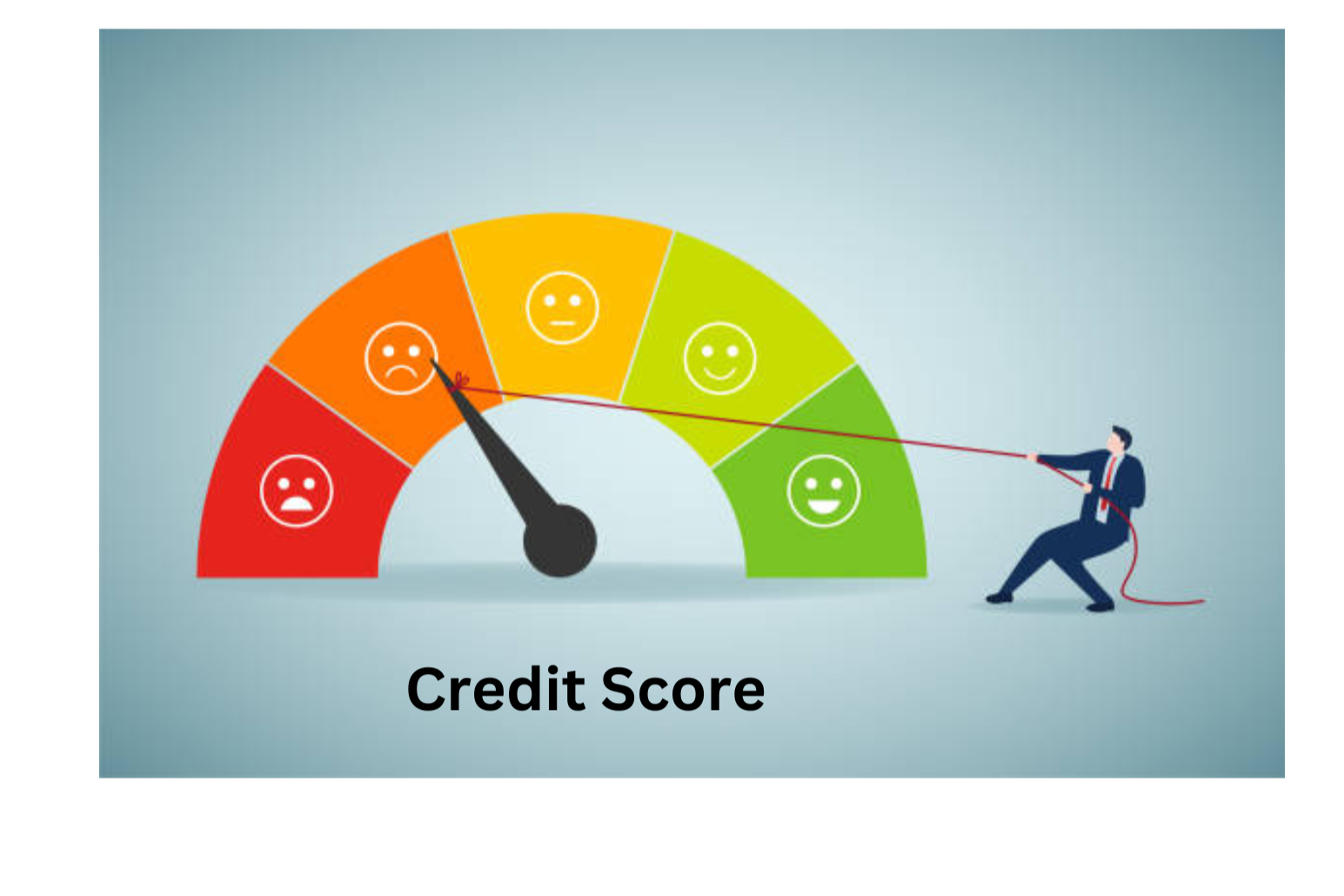
Your credit score (300–900 in Canada) is the gatekeeper to loans, apartments, even jobs. Here’s the breakdown:
• 750+ = Excellent (lowest interest rates)
• 650–749 = Good (approval likely)
• Below 600 = Trouble (higher rejections)
Monitor it for free with Borrowell (Equifax) or Credit Karma (TransUnion).
How to Start Building Credit Today
If you’ve never had credit before, getting started might seem intimidating. But the best way to begin is by applying for your first credit card. If you’re worried about being approved, consider a secured credit card. This type of card requires you to put down a deposit, which becomes your credit limit. Since the bank has your deposit as collateral, approval is almost guaranteed.
Once you have a card, the key is to use it wisely. Start by making small, manageable purchases — like groceries or a streaming subscription — and pay the balance in full every month. It’s not about how much you spend; it’s about showing you can handle credit responsibly.
Many beginners make the mistake of thinking they need to carry a balance to build credit. This is a myth. Paying your balance in full each month not only avoids interest charges but also shows lenders that you’re reliable.
Why Student Loans Can Be a Good Thing
Student loans often get a bad reputation because of the debt they create. But if you make your payments on time, they can actually help build your credit. Lenders view student loans as installment credit, which means you borrow a set amount and pay it back over time. Each on-time payment boosts your credit score.
Missing payments, however, can hurt your score for years. If you’re having trouble keeping up, consider setting up automatic payments or speaking with your loan provider about adjusting your repayment plan.
Understanding Credit Utilization: The Silent Killer
Credit utilization is how much of your available credit you’re using at any given time. If you have a credit card with a $1,000 limit and your balance is $500, your utilization rate is 50%. Lenders prefer to see this number under 30%, but the sweet spot is closer to 10%.
Why does this matter? A high utilization rate suggests you might be overextended financially. Even if you’re making payments on time, using too much of your available credit can lower your score.
To improve your utilization rate, try to keep your balances low and make multiple payments throughout the month. This shows lenders that you’re not relying too heavily on credit to get by.
How Long Does It Take to Build Good Credit?
Building credit is a marathon, not a sprint. It typically takes 6 to 12 months of consistent, responsible behavior to see noticeable improvements in your score. If you’re starting from zero, expect it to take at least a year to build a fair score and several years to achieve excellent credit.
But don’t let that discourage you. Small habits, like paying your bills on time and keeping your balances low, add up over time. The key is consistency. Lenders want to see that you can manage credit responsibly over the long haul.
Debunking the Myths
There are plenty of myths floating around about how credit works. One of the biggest is the idea that closing old credit cards improves your score. In reality, closing old accounts can hurt your score because it shortens the average age of your credit history. The longer your accounts have been open, the better.
Another myth is that applying for credit cards will destroy your score. While hard inquiries (when a lender checks your credit before approval) do have a small impact, it’s temporary. As long as you’re not applying for multiple cards at once, your score will bounce back.
The Impact of Late Payments
Late payments are one of the fastest ways to ruin your credit score. Even one missed payment can stay on your report for up to seven years. If you struggle to remember due dates, set up automatic payments or calendar reminders.
If you do miss a payment, don’t panic. Paying it as soon as possible can minimize the damage. Reaching out to your lender may also help — some offer grace periods or will remove a late payment if it was a genuine mistake.
The Importance of Credit Mix
Lenders want to see that you can manage different types of credit. This is where your credit mix comes into play. A good mix includes both revolving credit (like credit cards) and installment loans (like car or student loans). Having both shows lenders that you can handle multiple financial responsibilities.
But don’t rush to take out a loan just for the sake of it. Focus on managing the credit you already have before adding more to the mix.
Building Credit Without a Credit Card
Not a fan of credit cards? No problem. There are other ways to build credit. In Canada, some services let you report rent payments to the credit bureaus. Paying your utility bills on time also helps build a positive credit history.
Another option is to take out a credit-builder loan. These small loans are designed specifically to help people build credit. You make monthly payments, and once the loan is paid off, you get your money back.
Why Financial Literacy Matters
Building credit is easier when you understand how money works. That’s why financial literacy is so important. If you’re new to personal finance, start with The Wealthy Barber by David Chilton. This Canadian classic breaks down complex financial concepts into simple, relatable advice.
When you understand how credit works, it’s easier to make smart financial decisions. Knowledge is power — especially when it comes to your money.
Final Thoughts
Building good credit isn’t just about the number; it’s about building habits that last. Paying your bills on time, keeping your balances low, and monitoring your score regularly can set you up for financial freedom.
Good credit doesn’t just happen overnight. It’s the result of small, consistent actions.
By starting today, you can create a strong financial foundation that opens doors for years to come.
Next weeks subject….credit and debt in review

Leave a Reply