
“The man who never has money enough to pay his debts has too much of something else.”
– James Lendall Basford
“Debt is like a heavy backpack. The longer you carry it, the harder it is to move forward.” This quote from Shatterproof hits hard because it’s true. If you’re carrying debt, you know exactly how that weight feels. The average Canadian carries over $20,000 in non-mortgage debt—student loans, car payments— and that’s before adding any high-interest credit card debt, it adds up fast! But here’s the good news: you don’t have to carry that weight forever.
If you’re serious about getting debt-free, there are two proven strategies to help you crush debt: the Snowball and Avalanche methods. Both work, but they’re as different as, well, snowballs and avalanches. One focuses on quick wins to keep you motivated; the other saves you money by targeting high-interest debt first.
In this article, I’ll break down both methods, compare their pros and cons, and give you steps to choose the right one for your financial situation. Plus, I’ll sprinkle in insights from Shatterproof, a book that dives deep into the psychology of debt and how to overcome it. Ready to take control of your finances?
Let’s dive in.
What Are the Snowball and Avalanche Methods?
The snowball and avalanche methods are two debt payoff strategies that focus on how you prioritize your debts. Both aim to help you become debt-free, but they take different paths to get there.
The Snowball Method:
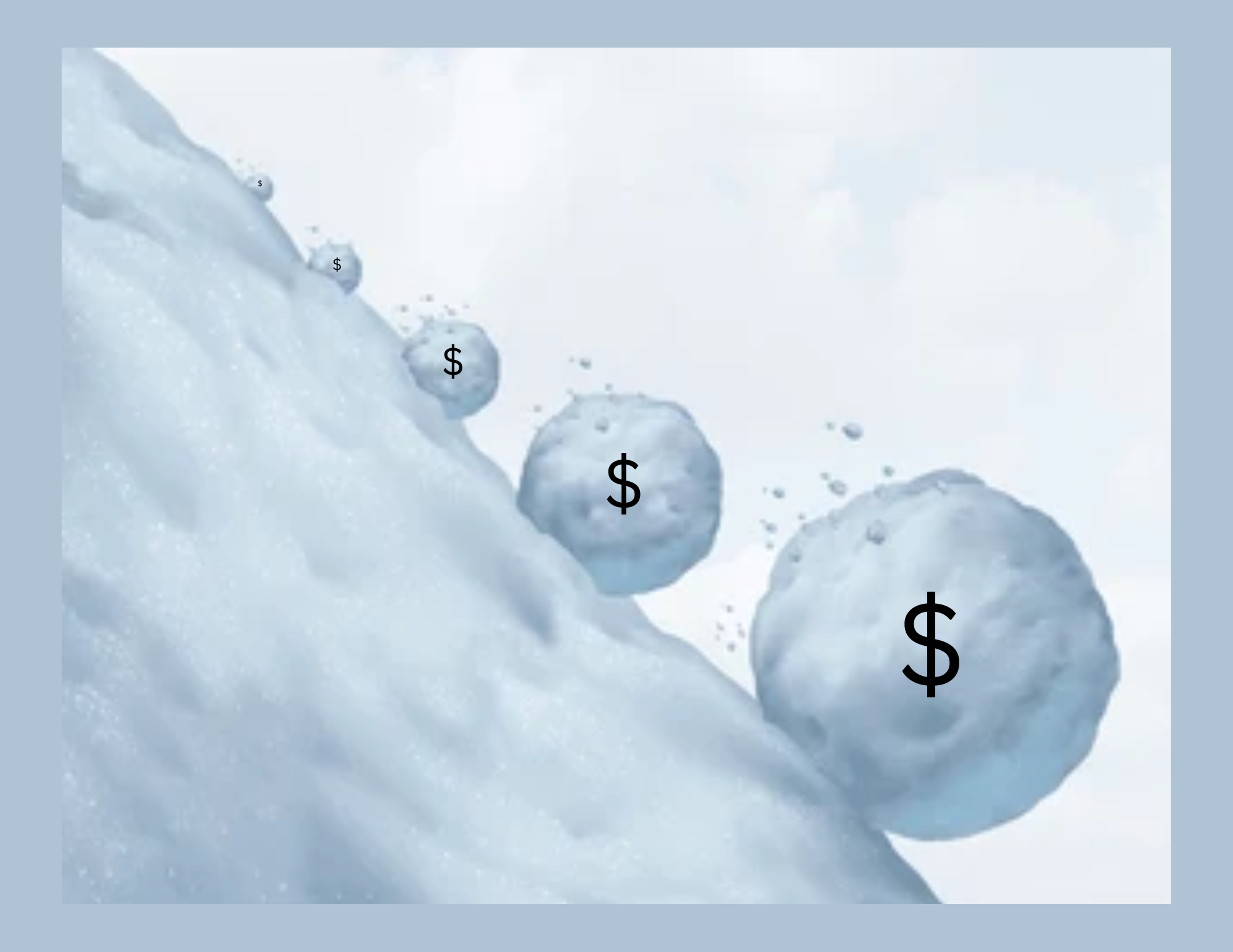
This approach is all about momentum. You start by paying off your smallest debt first while making minimum payments on the rest. Once the smallest debt is gone, you roll that payment into the next smallest debt. It’s like a snowball rolling downhill, gaining speed and size as it goes.
The Avalanche Method:
This method is more mathematical. You tackle your highest-interest debt first while making minimum payments on the others. Once the highest-interest debt is paid off, you move to the next one. It’s like an avalanche—swift and powerful, saving you money on interest over time.
Both methods work, but which one is right for you?
Let’s break it down.
The Snowball Method: Small Wins, Big Motivation
The snowball method is perfect for people who thrive on quick wins. Here’s how it works:
- List Your Debts: Write down all your debts from smallest to largest balance.
- Pay Minimums: Make minimum payments on all debts except the smallest one.
- Attack the Smallest Debt: Throw every extra dollar you can at the smallest debt until it’s gone.
- Celebrate and Repeat: Once the smallest debt is paid off, roll its payment into the next smallest debt. Rinse and repeat.
Why does this work? Because it’s motivating. Paying off a debt—no matter how small—feels amazing. It gives you a psychological boost, making you feel like you’re making progress.
But here’s the catch: the snowball method might not save you the most money in interest. If your smallest debt has a low interest rate, you could end up paying more over time compared to the avalanche method.
The Avalanche Method: Save Money, Crush Interest
The avalanche method is for the numbers-driven folks. Here’s the step-by-step:
- List Your Debts: Write down all your debts from highest to lowest interest rate.
- Pay Minimums: Make minimum payments on all debts except the one with the highest interest rate.
- Attack the Highest Interest Debt: Throw every extra dollar at the highest-interest debt until it’s gone.
- Move to the Next: Once the highest-interest debt is paid off, roll its payment into the next highest one. Again, rinse and repeat.
The avalanche method saves you more money in the long run because you’re tackling the most expensive debts first. But it requires patience. If your highest-interest debt is also your largest, it might take a while to see progress.
Which Method Should You Choose?
The answer depends on your personality and financial situation. Here is direct comparison:
| Factor | Snowball Method | Avalanche Method |
| Focus | Smallest debt First | Highest interest first |
| Best for… | Motivation and momentum | Saving the most money |
| Time to debt-free | Usually longer | Usually shorter |
| Psychological effect | Encouraging quick wins | Requires discipline and patience |
| Total interest paid | More | Less |
Choose the Snowball Method if:
- You need quick wins to stay motivated.
- You have several small debts you want to eliminate fast.
- You’re not as concerned about the total interest paid.
- You struggle with discipline.
- Your cashflow is tight and you can only make minimum payments.
Choose the Avalanche Method if:
- You’re focused on saving money over time.
- You have high-interest debts like credit cards.
- You have extra money to put toward debt each month.
- You’re disciplined and can stay motivated without immediate wins.
If you’re motivated by progress, go snowball. If you’re motivated by efficiency, go avalanche.
Still unsure? Here’s a tip from Shatterproof: “The best debt payoff method is the one you’ll stick to.” It isn’t just about debt—it’s about the mindset needed to overcome financial challenges. The book emphasizes resilience, discipline, and the importance of choosing a strategy that aligns with your personality.
Always remember:
Self-discipline is crucial—it doesn’t matter which method you choose if you don’t stick to it.
Momentum builds confidence—small wins can shift your money mindset.
Commit to a debt-free identity—see yourself as someone who is in control of your finances.
Tips to Supercharge Your Debt Payoff and Stay Motivated
No matter which method you choose, these tips will help you stay motivated and pay off debt faster:
Let’s Stay Motivated:
- Visualize Your Debt-Free Future: Picture what life will be like without monthly payments. More freedom. Less stress. Use that vision to push through tough moments.
- Track Your Progress with a Debt Thermometer: Print a simple debt payoff chart and color in your progress as you go. Seeing the numbers drop is incredibly motivating!
- Reward Yourself for Milestones: Set mini-rewards for every debt you pay off. (Nothing crazy—think a nice dinner, a weekend trip, or a guilt-free splurge.)
- Find an Accountability Partner: Join a debt-free community or tell a friend about your goal. The more people who know, the more likely you are to stick with it.
- Read Success Stories: Hearing how others paid off debt can keep you inspired. Follow debt-free influencers, read books, or listen to personal finance podcasts.
Let’s build momentum:
- Create a Budget: Know where your money is going. Paying off debt is great, but if you don’t change your spending behavior, you’ll end up in the same situation again. Track your expenses, cut unnecessary costs, and avoid new debt. Use apps like YNAB or Mint to track your spending.
- Cut Expenses: Look for areas to save, like subscriptions you don’t use or dining out less.
- Paying Only the Minimums: Making only the minimum payments means staying in debt longer and paying way more in interest. Always pay extra when you can.
- Create an Emergency Fund: One unexpected bill can throw your entire debt plan off track. Build a small emergency fund ($500–$1,000) before aggressively paying off debt.
- Switching Strategies Too Often: Pick a method and stick to it. Constantly switching between Snowball and Avalanche can slow down your progress.
- Automate Payments: Set up automatic payments to avoid missed deadlines and late fees.
Final Thoughts
Debt doesn’t have to control your life. Whether you choose the snowball or avalanche method, the key is to start. Take that first step, celebrate your progress, and keep going. As Shatterproof reminds us, resilience and discipline are your greatest allies on the road to financial freedom.
So, which method will you choose? Let me know in the comments! And if you found this article helpful, share it with a friend who’s on their own debt-free journey. Together, we can crush debt and build brighter financial futures.
Now, go out there and start your debt-free journey!
Stick with me as next week as I explore….Credit Cards: Friend or Foe?

Leave a Reply