
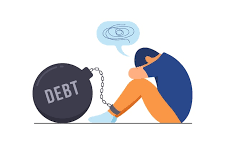
“Debt is like any other trap, easy enough to get into, but hard enough to get out of.”
– Henry Wheeler Shaw.
Debt doesn’t have to be a life sentence. In fact, 47% of Canadians say debt is their biggest financial stressor—what isn’t obvious is that debt can effect more than just your stress level, it will also effect your ability to live the life you want by depleting your credit rating as shown in my previous blog Your Credit Score is More Important Than You Think!“, – but here’s the good news: with the right strategies, you can break free. Inspired by the principles in Shatterproof, a groundbreaking book on financial resilience, this blog will show you how to manage debt effectively and regain control of your life.
Let’s dive in.
Face the Numbers (No More Hiding!): The First Step to Control
The first step to managing debt is knowing exactly what you’re dealing with. Many people avoid looking at their total debt out of fear. But knowing exactly what you owe is essential to taking control of your finances. Grab a coffee, open a spreadsheet, and list every debt—credit cards, student loans, car payments, everything. Prioritize them based on either the highest interest rate or the smallest balance, depending on the strategy that works best for you. This might feel overwhelming, but trust me, clarity is power.
Credit card debt is often the biggest challenge because of its high interest rates. Left unchecked, it can accumulate quickly, making repayment more difficult. Student loans, car payments, and personal loans all add to financial strain, but each requires a different approach to repayment. Once you have a complete picture, you can create a plan that fits your situation.
Tip: Use apps like Mint or YNAB (You Need A Budget) to track your debts automatically. These tools can give you a clear picture of your financial situation without the manual hassle.
Choosing a Repayment Strategy: The Snowball vs. Avalanche Method
There are two widely recommended debt repayment strategies that can help you tackle debt faster: the avalanche method and the snowball method:
- Snowball Method: Prioritizes paying off the smallest debt first while continuing minimum payments on the rest. This creates a psychological boost by eliminating smaller balances quickly, helping to build momentum and motivation.
- Avalanche Method: Focuses on paying off debts with the highest interest rates first while making minimum payments on lower-interest debts. This approach saves the most money over time. However, it can take longer to see tangible progress, which may be discouraging for some.
Both strategies are effective, but the best choice depends on individual financial circumstances. Those looking to minimize interest costs should use the avalanche method, while those who need small wins to stay motivated might benefit from the snowball approach.
Tip: Create a debt payoff plan using a free online calculator. Input your debts, interest rates, and monthly payments to see how long each method will take.
Negotiate Debt and Interest Rates Like a Pro
Many people do not realize that debt terms can be negotiated. Credit card companies, banks, and lenders are often willing to adjust interest rates or payment plans if asked.
Contacting credit card companies to request a lower interest rate can result in substantial savings. Lenders may offer better terms to customers with a strong payment history. Similarly, refinancing high-interest loans into lower-rate options can make repayment more manageable.
For those struggling with student loans, repayment assistance programs may be available. Federal and provincial programs offer relief based on income, reducing monthly payments or temporarily pausing them to provide financial breathing room.
When negotiating, preparation is key. Knowing credit scores, payment history, and available refinancing options strengthens the case for better terms. Lenders prefer working with proactive borrowers rather than risking default.
Tip: Before calling, research competitor rates and use them as leverage. For example, “I’ve been offered a lower rate elsewhere. Can you match it?”
Cut the Unnecessary (Yes, That Means Your Subscriptions) and Free up Cash
Paying off debt requires finding extra money in your budget. This doesn’t always mean making drastic sacrifices. Little adjustments in spending can create significant savings over time.
One of the simplest ways to cut expenses is by reviewing subscriptions and recurring payments. Many people continue paying for streaming services, gym memberships, and other subscriptions they rarely use. Canceling unnecessary services can immediately free up funds for debt repayment.
Reducing grocery expenses by planning meals and avoiding frequent takeout can also save hundreds of dollars per month. Shopping with a list and sticking to planned purchases prevents impulse spending.
Another effective strategy is automating savings. Setting up an automatic transfer of even a small amount each week can build an emergency fund while keeping finances organized.
Tip: Conduct a monthly subscription audit. Cancel anything you haven’t used in the past 30 days.
Debt Consolidation and Balance Transfers
Debt consolidation can simplify repayment by combining multiple debts into one loan with a lower interest rate. This approach reduces financial complexity and can save money on interest. However, it requires careful planning to avoid accumulating new debt while paying off the consolidated balance.
Balance transfer credit cards offer another option for those dealing with high-interest credit card debt. Some credit cards provide a 0% introductory interest rate for a set period, allowing borrowers to pay down the principal without accruing additional interest. However, if the balance is not paid off before the promotional period ends, high interest rates may return, making the debt even more expensive.
Both strategies can be effective when used responsibly. They should be part of a broader financial plan that includes disciplined budgeting and consistent payments.
Build a Safety Net
One of the most common reasons people fall into debt is the lack of an emergency fund. Unexpected expenses, such as car repairs or medical bills, can force individuals to rely on credit cards or loans.
An emergency fund acts as a financial safety net. Starting with a goal of $1,000 provides initial security, while working toward three to six months’ worth of expenses offers long-term protection.
Setting up a separate savings account and automating contributions, even in small amounts, can help build this fund over time. Using tax refunds, bonuses, or other unexpected income to boost savings can accelerate progress.
Tip: Set up an automatic transfer to a high-interest savings account each payday. Even $50 a month can build your safety net over time.
Increase Your Income
Sometimes, cutting expenses isn’t enough. For those looking to increase their income, negotiating a raise, taking on freelance work, or starting a side business can provide additional financial flexibility. Even an extra few hundred dollars per month can significantly accelerate debt repayment.
Tip: Explore gig economy jobs like Uber, DoorDash, or freelance platforms like Fiverr and Upwork.
Celebrate the Wins
Managing debt is a long-term commitment that requires consistency. Staying motivated can be challenging, but tracking progress helps maintain focus.
Some people find success in using financial tracking apps or spreadsheets to monitor their repayment journey. Others prefer visual methods, such as debt payoff charts. Seeing balances decrease over time reinforces positive financial habits.
Celebrating milestones along the way can also provide motivation. Paying off a credit card or loan is a significant achievement and deserves recognition. Choosing small, affordable rewards—like a nice dinner or a weekend getaway—can help maintain enthusiasm without derailing financial goals.
Joining debt-free communities or finding an accountability partner can encourage. Many people share similar financial challenges, and connecting with others on the same journey offers support and motivation.
Tip: Create a visual debt tracker. Color in a chart or move a paperclip along a string for each debt paid off. Seeing progress is incredibly motivating.
Why This Matters for Canadians
With rising living costs and high household debt levels, Canadians face unique challenges. But by adopting these strategies, you can shatter the cycle of debt and build a brighter financial future.
Final Thoughts
Debt does not have to be a lifelong burden. With a clear strategy, disciplined spending, and consistent effort, it is possible to regain financial control and work toward a future free of debt. Don’t struggle alone, stay motivated by involving your family and closest friends and celebrate all your milestones big and small with them. Let them help you stay motivated and keep you on track. Debt doesn’t define you. With the right plan, you can take control and move toward financial freedom.
The most important step is to take action. Whether starting with a small extra payment, negotiating interest rates, or adjusting spending habits, every effort contributes to long-term financial stability.
Start today—your future self will thank you.
Next weeks subject — How interest rates work both for you and against you.

Leave a Reply