
Why Budgeting Is Key to Financial Freedom
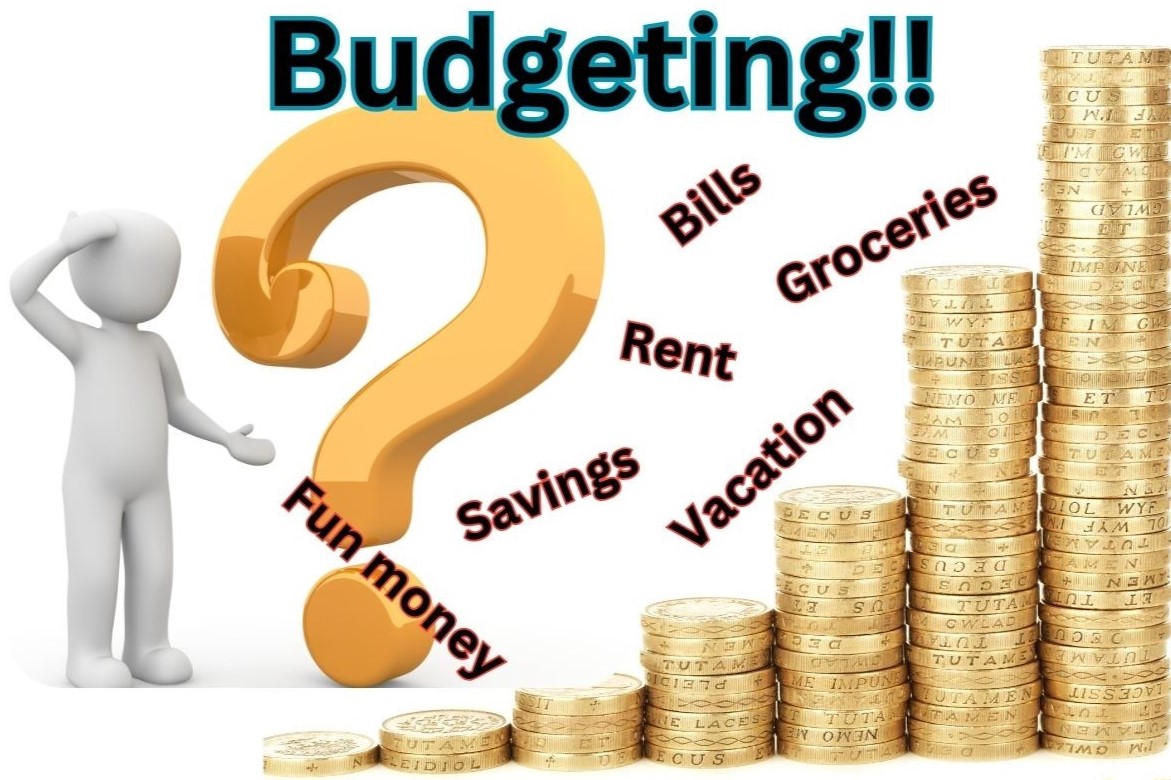
Are you ready to take control of your finances but feel overwhelmed by where to start? Creating a budget can feel intimidating, but it’s simpler than you think. Budgeting isn’t about restricting your lifestyle—it’s about ensuring your money works for you and helps you achieve your goals. Budgeting is more than just numbers on a page—it’s about peace of mind and control over your future, thus, making it the foundation of financial success.
It helps you take control of your money instead of letting your money control you. By setting clear guidelines, you can track where every dollar goes and align spending with your goals. Starting early is key. Even small amounts saved today can grow significantly over time. Plus, budgeting helps you identify unnecessary expenses, leaving more room for what truly matters.
In this blog, I’ll explore three proven budgeting strategies: the 50/30/20 Rule, the Envelope Method, and Zero-Based Budgeting. You’ll learn the emotional benefits of each, potential pitfalls, and tips to stay on track. By following these strategies, you can avoid the common financial mistakes discussed in Shatterproof: A Financial Playbook for Beginners and build a path toward financial independence.
Let’s explore these strategies one by one starting with the simplest one….
________________________________________
Strategy 1: The 50/30/20 Rule
This simple rule divides your income into three categories:
- 50% for Needs: Essentials like rent, groceries, utilities, transportation.
- 30% for Wants: Non-essentials like dining out, streaming services, hobbies, entertainment.
- 20% for Savings: Emergency fund, investments, or debt repayment.
The 50/30/20 rule brings clarity without requiring too much effort. For those overwhelmed by finances, it offers relief—just three categories to focus on. It’s straightforward and works for most income levels offering flexibility while still ensuring you’re saving for the future. It eliminates the stress of micromanaging every dollar and makes budgeting feel manageable. You can use a simple spreadsheet with 3 columns if doing it manually is your preference, or use an app (there are many out there and some are free), to keep track of your spending. Remember you only have 3 categories to worry about so it really is quite simple.
Distractions and Pitfalls:
Overspending on wants can throw this off balance. It’s tempting to use money set aside for savings on impulse buys. Misclassifying items like a gym membership as a “need” instead of a “want” can lead to overspending. You have to be honest with yourself about what is actually a want. This can be very difficult as you put that wonderful “must have” item back on the shelf or cancel that membership you rarely use but want to have “just in case”. The other thing you must always be are of is that as income increases, the “wants” category often balloons, leaving little for savings.
Just remember, it is all baby steps, as you become more disciplined it does become easier and a few mistakes are always expected when starting, the key is to never give up. To help stay on track automate savings by setting up automatic transfers to a savings account every paycheck so the 20% is taken care of before you spend. Also, review your spending categories monthly using apps or banking tools to ensure you’re sticking to your plan.
Let’s move on to the second method, shall we?
________________________________________
Strategy 2: The Envelope Method
This old-school approach involves setting aside cash in labeled envelopes for each spending category like groceries, dining out, or personal care. Once the cash is gone, spending stops. To get started, you decide how much you are going to spend on each category monthly, label envelopes or a small accordion file folder and fill each category with cash every paycheck. This method brings a sense of physical control and accountability. Physically handling cash creates a stronger emotional connection to your money, reducing impulse buys, making overspending harder. It instills discipline and awareness in spending habits.
In a cashless world, there are many free apps available that let you create virtual envelopes, adapting this method for credit and debit card users. Although using this method virtually can be challenging, it is possible, it just requires additional effort.
Tips to Stay on Track
Set clear priorities for your envelopes. If dining out is a lower priority, allocate less cash to that category. Regularly review and adjust your envelope amounts to reflect changing needs. If you run out of cash for dining out, it can be tempting to “borrow” from another envelope, defeating the purpose. Discipline is key. If you overspend in one envelope, adjust next month’s allocations to avoid a snowball effect.
Use digital tools to replicate envelopes if cash isn’t feasible. Set priorities for each category and avoid reallocating funds unless absolutely necessary.
Now to look at the final method…..
________________________________________
Strategy 3: Zero-Based Budgeting
This approach requires assigning every dollar of income to a specific purpose—expenses, savings, or debt repayment—leaving your “budget balance” at zero. It is very much like the envelope method, only much more detailed and provides a clear picture of your finances which can be very beneficial. It forces you to be intentional, making it a great option for those who tend to overspend. This method gives complete control over your finances. Knowing where every dollar goes can ease the guilt of spending and increase confidence in your financial decisions, bringing peace of mind and eliminating financial “gray areas.” I would definitely recommend using an app for this method or a very detailed spreadsheet.
Start by identifying every type of expense breaking them into detailed categories. Allocate the amount you plan to allocate to each category per paycheck making sure that your entire paycheck is accounted for(this means calculating your net income for each paycheck). Track everything you spend in each category each paycheck and adjust as required.
Examples of What Can Go Wrong
1. Overwhelmed Beginners: The detailed nature of this method may feel daunting for those new to budgeting.
2. Avoidance: Fear of facing your financial situation can lead to procrastination.
3. Overlooking Irregular Expenses: Failing to account for annual costs like holiday gifts or car maintenance can derail your budget.
Tips to Stay on Track
Use apps to simplify the process. Create a buffer fund for unexpected expenses, and review your budget weekly to adjust for any changes.
________________________________________
How each method compares to the other 2
Let’s take a look at how each method compares to the other ones, it may help you decide what may be best for you.
First up the 50/30/20 Method
Because of it’s simplicity this is a very common method but how does it stack up?
Compared to the Envelope Method: Easier to implement but less effective for those who need strict spending limits. The 50/30/20 rule lacks the tangible spending limits of physical or digital envelopes, which some people find more effective at curbing overspending.
Compared to Zero-Based Budgeting: 50/30/20 doesn’t account for every dollar, which can lead to untracked spending, but on the upside, it provides a broader framework without the meticulous detail of tracking every dollar.
Strategy 2: The Envelope Method
This is the in-between method, still fairly simple but definitely more detailed.
Compared to the 50/30/20 Strategy: The Envelope Method provides stricter boundaries, making it ideal for those prone to overspending. However, it can feel restrictive compared to the flexibility of 50/30/20.
Compared to Zero-Based Budgeting: While both methods require detailed planning, the Envelope Method is less focused on assigning every dollar and more on controlling spending in specific areas.
Strategy 3: Zero-Based Budgeting
This is the most detailed of all methods requiring accounting for every dime.
Compared to 50/30/20 Strategy: Zero-Based Budgeting is more precise, making it a better fit for those with fluctuating incomes or specific financial goals.
Compared to the Envelope Method: It provides a broader overview of all expenses, while the Envelope Method focuses primarily on controlling variable spending.
________________________________________
Which Strategy Is Best for You?
The 50/30/20 rule provides a quick and broad overview, making it ideal for beginners. The Envelope Method and Zero-Based Budgeting, while more detailed, require more discipline, which could feel overwhelming without experience. Which is best for you depends on whether you are a beginner and exactly how much control you need over your budget, this answer is different for everyone. •
- Beginner: Start with the 50/30/20 rule for simplicity.
- Spending Control: Choose the Envelope Method if you struggle with overspending.
- Detailed Planning: Use Zero-Based Budgeting to manage every dollar effectively. By experimenting with these methods, you’ll find what works best for you.
Budgeting isn’t about restricting your lifestyle—it’s about creating a plan that supports your goals and dreams.
________________________________________
Common Budgeting Mistakes to Avoid
- Ignoring Irregular Expenses Unexpected expenses, like annual car insurance or holiday shopping, often throw budgets off track. Include these in your monthly planning by dividing their annual cost by 12 and setting aside that amount each month.
- Forgetting an Emergency Fund Without a safety net, unexpected events like a car repair or medical bill can derail your budget. Allocate part of your savings to an emergency fund until it covers 3-6 months of living expenses.
Final Tips to Stay Motivated and Consistent
- Reward Yourself: Celebrate small wins! Did you stick to your budget all month? Treat yourself within your “wants” category.
- Use Technology: Apps especially for digital budgeting can make budgeting easier and more visual.
- Track Your Progress: Regularly review your spending patterns. Adjust your strategies as needed and stay focused on your goals.
________________________________________
Conclusion
When you budget, you’re telling your money where to go instead of wondering where it went. This can reduce anxiety and help you feel empowered about your financial decisions. However, for many, the process of starting a budget feels intimidating, often triggering avoidance or guilt over past financial mistakes.
Budgeting doesn’t have to be overwhelming. Whether you prefer the simplicity of the 50/30/20 Rule, the structure of the Envelope Method, or the detail of Zero-Based Budgeting, there’s a strategy to fit your lifestyle.
Small changes, like eating out less or limiting impulsive purchases, can lead to significant savings. Remember, every dollar saved is a step closer to financial freedom. By avoiding common pitfalls, staying consistent, and using tools to track your progress, you’ll not only manage your finances effectively but also build a path toward financial independence.
Take the first step today—your future self will thank you!
Stay tuned as next Friday as I explore….Financial Goals: Why They Matter


Leave a Reply